
Alma Laser Treatments in Awendaw, SC
Treat sun damage, pigmentation, redness, texture, unwanted hair, and signs of aging with a plan built around your skin
Years of Lowcountry sun can leave their mark.
Brown spots become more noticeable. Redness lingers. Skin texture changes. Fine lines deepen. Old acne scars seem harder to ignore. Hair grows where you would rather it didn’t.
At Seewee Medspa, Dr. Amanda Larson uses advanced Alma technology to address these concerns with treatments selected for your skin, your goals, and the amount of downtime you are comfortable with.
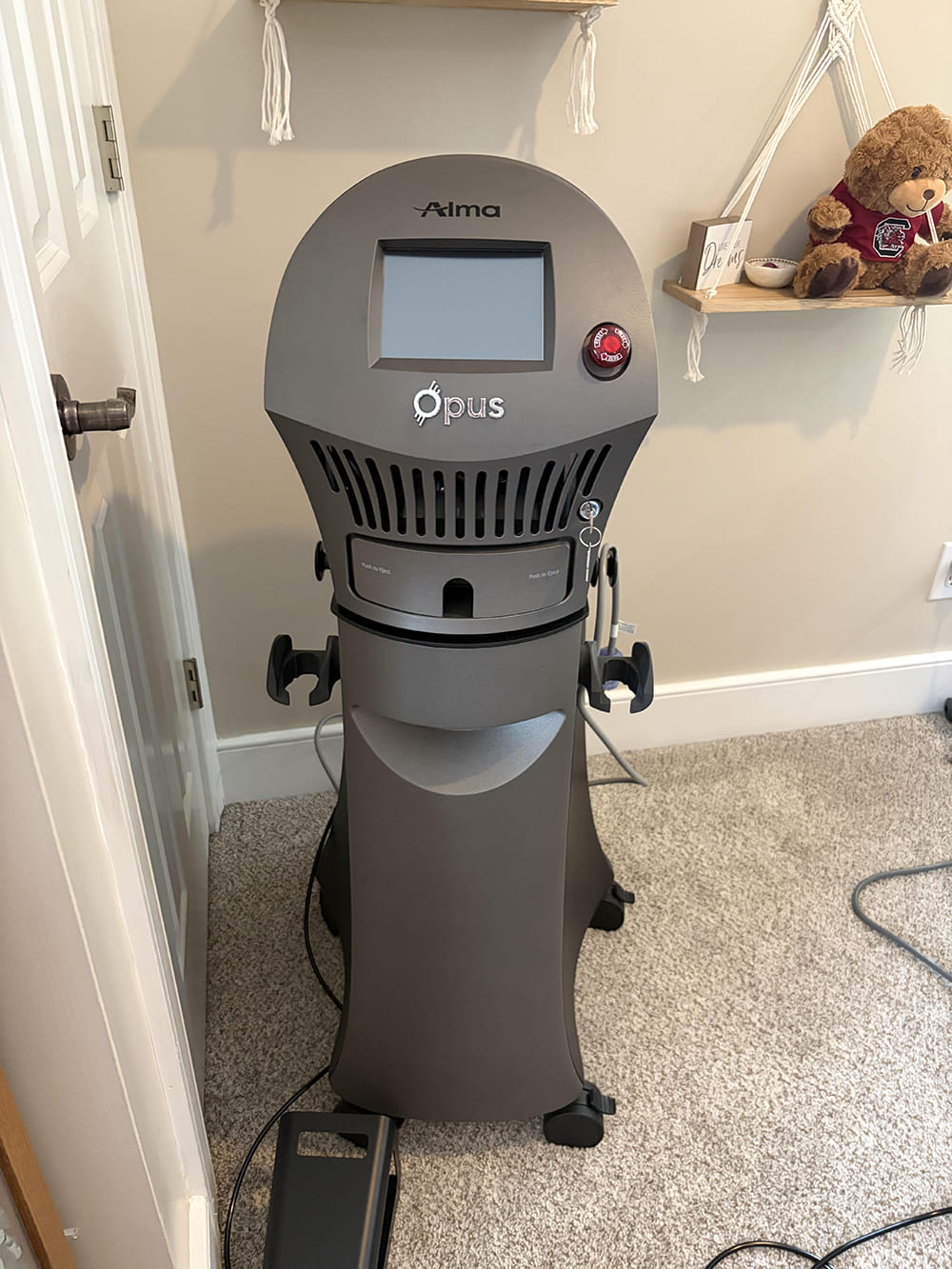
Seewee’s technology includes the Alma Harmony platform, Opus Plasma, and Alma IQ skin analysis.
That gives us several ways to treat the skin rather than forcing every concern into the same treatment.
What Can Alma Laser Treatments Help With?
The Alma Harmony platform combines several laser and light-based technologies that can be selected for different skin concerns. Depending on the technology and applicators used, Harmony can address skin resurfacing, pigmentation, vascular concerns, skin rejuvenation, hair removal, acne, and acne scars.
At Seewee, laser and energy-based treatments may be used to improve the appearance of:
- Sun spots and visible sun damage
- Brown spots and uneven pigmentation
- Facial redness and visible blood vessels
- Uneven tone
- Rough skin texture
- Enlarged pores
- Fine lines and early wrinkles
- Acne scars and other superficial scarring
- Mild loss of firmness
- Unwanted facial or body hair
These treatments fit directly into Seewee’s focus on laser care for texture, pigment, rejuvenation, and hair removal.

Start With Alma IQ: See What Is Happening Beneath the Surface
Your skin may be telling a bigger story than you can see in the mirror.
Seewee uses Alma IQ during skin assessment to get a more detailed look at concerns including pigmentation, vascularity, texture, and UV-related changes.
Alma IQ uses several imaging modes—including daylight, pigmentation, vascularity, texture, Wood’s light, and True UV—to help identify visible and less obvious skin concerns. It can also image the neck and décolleté.
That information helps your provider:
- Identify your primary skin concerns
- See the severity and distribution of sun damage or pigmentation
- Evaluate redness and vascular changes
- Discuss how much downtime fits your life
- Build a more personalized treatment plan
- Document your skin so progress can be compared over time
You get to see what we see.
That makes the conversation about your skin much clearer.
Alma Harmony: One Platform, Different Ways to Treat the Skin
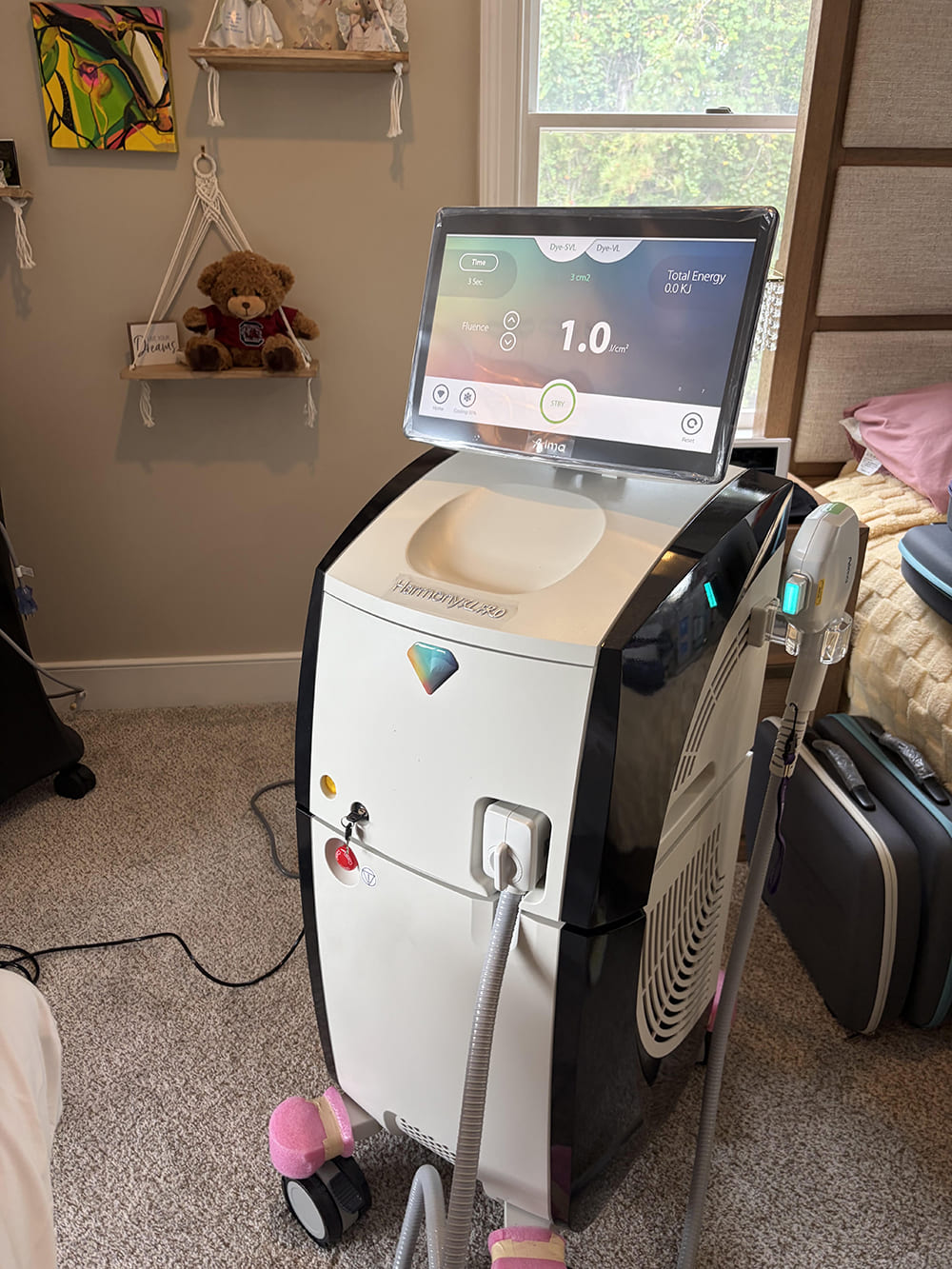
Alma Harmony is a multi-technology platform rather than one single type of laser.
It can incorporate IPL, non-ablative laser, fractional ablative laser, Q-switched laser, and vascular-specific technology, allowing the treatment to be matched more closely to the concern being addressed.
That versatility matters because a brown sun spot, visible blood vessel, acne scar, and unwanted hair do not behave the same way.
Your treatment shouldn’t either.
Sun Damage, Brown Spots, and Uneven Pigmentation
Living in coastal South Carolina usually means years of accumulated sun exposure.
Eventually that may show up as:
- Brown spots
- Blotchy pigmentation
- Uneven skin tone
- Freckling or sun-related discoloration
- Dull, photo-damaged skin
Light and laser-based treatments can target excess pigment and improve the overall appearance of sun-damaged skin. Alma identifies broad-spectrum light, fractional laser, and non-ablative technologies among the options used for pigmentation, photoaging, tone, and texture.
Some discoloration responds quickly. Other pigmentation requires a series of treatments or a combination of in-office care and consistent home skincare.
Sun protection afterward is essential.
Redness, Broken Capillaries, and Vascular Concerns
Persistent redness can make skin look irritated even when it feels fine.
Laser and IPL technologies can target hemoglobin within visible blood vessels, making them useful for concerns such as facial redness, broken capillaries, spider veins, cherry angiomas, and certain rosacea-related vascular changes.
The treatment experience varies depending on the vessel and technology being used. Some patients describe brief warmth or a snapping sensation.
For vascular concerns, Alma describes a typical protocol of three to six treatments spaced approximately three to five weeks apart, though the number you need depends on the vessels being treated and your response.
Skin Resurfacing for Texture, Pores, Fine Lines, and Scars
When the concern goes deeper than surface dullness, resurfacing can help stimulate more meaningful skin renewal.
Fractional treatments create controlled areas of injury within the skin. That repair process can encourage collagen remodeling and improve concerns such as:
- Rough texture
- Fine lines
- Enlarged pores
- Acne scars
- Sun-damaged skin
- Uneven tone
Alma’s fractional and non-ablative technologies are designed to treat different depths and levels of intensity, allowing recovery time and treatment strength to be adjusted to the patient.
That biology is particularly meaningful to Dr. Amanda.
As a board-certified general surgeon and certified wound specialist, she has spent years watching tissue heal. Her approach to skin rejuvenation is shaped by the same processes she discusses in Skin Science: controlled healing, fibroblast activity, collagen production, inflammation, and tissue remodeling.
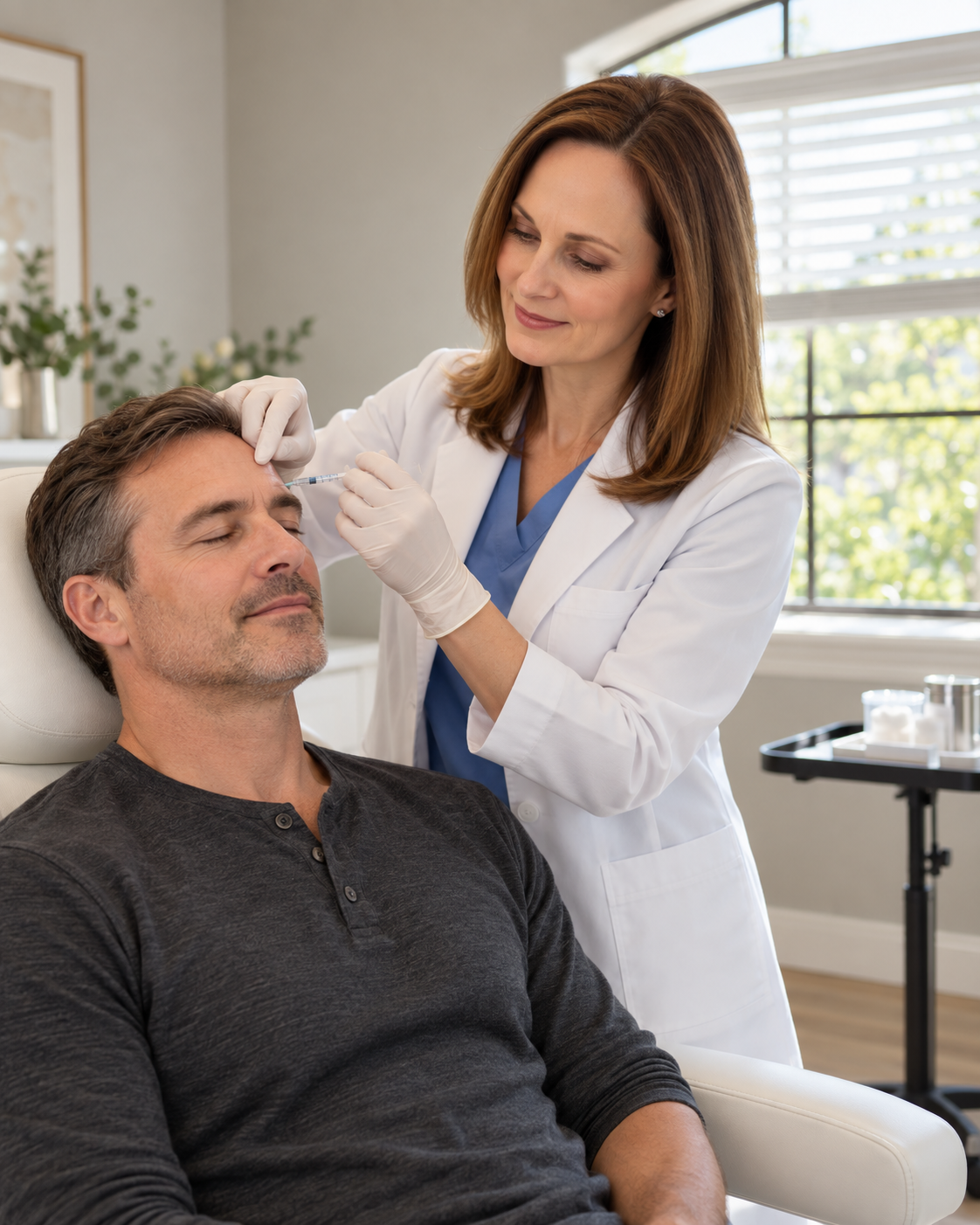
Opus Plasma for More Intensive Skin Resurfacing
Seewee also uses Alma Opus Plasma for fractional skin resurfacing.
Opus is technically a fractional plasma treatment, rather than a laser.
It creates controlled micro-injuries at the skin’s surface to stimulate resurfacing and remodeling. Alma designed Opus with adjustable treatment intensity, allowing providers to balance the desired result with the amount of recovery a patient is comfortable with.
Alma reports visible improvement after as few as one Opus treatment, while its clinical before-and-after library includes results following both single treatments and treatment series.
This can make Opus an option for patients interested in improving texture, fine lines, scars, and overall skin quality while avoiding the recovery associated with some traditional aggressive resurfacing procedures.
Your treatment depth and expected downtime will be discussed before you begin.
Collagen, Firmness, and Skin Rejuvenation
Collagen production naturally decreases with age.
Over time, skin can become thinner, less elastic, and more textured. Hormonal changes and years of UV exposure can accelerate those changes.
Certain Harmony treatments can deliver energy below or within the surface of the skin to encourage remodeling and support collagen and elastin production.
Alma’s Harmony Bio-Boost treatment, for example, is designed to improve texture, tone, elasticity, and firmness through biostimulation. Alma reports continued improvement after the initial treatment cycle.
Results from collagen-focused treatments develop gradually.
Your skin needs time to remodel.
Laser Hair Reduction
Laser hair reduection uses light energy to target pigment within the hair follicle and reduce future growth.
Common treatment areas may include the:
- Face and chin
- Underarms
- Bikini area
- Legs
- Back
- Chest
- Neck
Hair grows in cycles, so one treatment cannot reach every follicle at the right stage.
The American Academy of Dermatology notes that most patients require roughly two to six treatments, while larger or hormonally influenced areas may require additional sessions and occasional maintenance. Treatments are often spaced about four to six weeks apart.
When hair returns after a successful series, it often grows back finer and less noticeably. Hormonal facial hair in women may require ongoing maintenance.
How Many Laser Treatments Will I Need?
There is no honest single answer.
Different concerns respond at different speeds.
A small pigment concern may respond differently from diffuse sun damage. Vascular treatments may require several sessions. Hair removal depends on growth cycles. Collagen remodeling and acne scars commonly benefit from a series.
Even Alma’s own clinical results show improvement after anywhere from one treatment to several treatments, depending on the technology and concern being addressed.
At your consultation, we’ll discuss:
What improvement is realistic.
How many treatments we expect you may need.
How treatments should be spaced.
How much downtime each option involves.
Then we can adjust based on how your skin actually responds.
What Does Laser Treatment Feel Like?
The experience depends on the technology being used.
Some lighter laser or IPL treatments may feel like warmth or brief snapping against the skin.
More intensive resurfacing treatments can require numbing and may leave the skin feeling hot or sensitive afterward.
Opus treatment intensity can also be adjusted according to the depth of resurfacing desired.
We’ll explain what the treatment should feel like before we start.
No surprises halfway through the appointment.
What Should I Expect After Treatment?
Recovery varies considerably.
After a lighter laser, IPL, or hair-reduction treatment, you may experience temporary redness, warmth, or mild swelling and return to normal activities quickly.
More intensive fractional resurfacing or Opus treatments can involve several days of redness, swelling, roughness, dryness, or visible skin turnover.
Your aftercare instructions will depend on exactly what was treated.
In general, you may need to:
- Keep your skincare gentle while the skin recovers
- Avoid irritating acids, retinoids, or exfoliation until cleared
- Avoid picking or scrubbing treated skin
- Follow instructions regarding exercise, heat, swimming, or makeup
- Protect treated skin carefully from UV exposure
Tell us about weddings, vacations, beach weekends, outdoor events, or other commitments before treatment.
We can plan accordingly.
Sun Protection Is Part of Your Laser Treatment
Here in the Lowcountry, this deserves its own section.
A fresh tan and laser treatment are a poor combination.
Some laser and light treatments should not be performed on recently tanned or sunburned skin because increased pigment can raise the risk of burns and changes in skin color. Sun exposure after treatment can also increase the risk of unwanted pigmentation.
Before and after treatment, your provider may ask you to limit direct sun exposure and use a broad-spectrum, water-resistant SPF 30 or higher.
Treating sun damage while continuing to accumulate unprotected UV damage works against the progress you are trying to make.
Sunscreen becomes part of protecting your investment in your skin.
The Right Laser Matters More Than Simply Getting “Laser”
Patients often come in saying they want laser treatment.
That is only the beginning of the decision.
Pigment absorbs energy differently from blood vessels.
Hair follicles require a different target.
Surface texture may call for fractional resurfacing.
Collagen-focused rejuvenation may involve deeper thermal stimulation.
And the right choice can vary with your skin tone, medical history, medications, recent sun exposure, healing history, concern, and tolerance for downtime.
Alma Harmony gives Seewee several treatment modalities within one platform, while Opus adds fractional plasma resurfacing and Alma IQ gives us a more detailed way to evaluate the skin before building the plan.
You do not need to know which handpiece or wavelength to ask for.
That is part of the reason you are coming to us.
Why Seewee for Laser Skin Treatments?
Technology matters, but the provider who evaluates your skin, builds the plan and completes your treatments matters just as much.
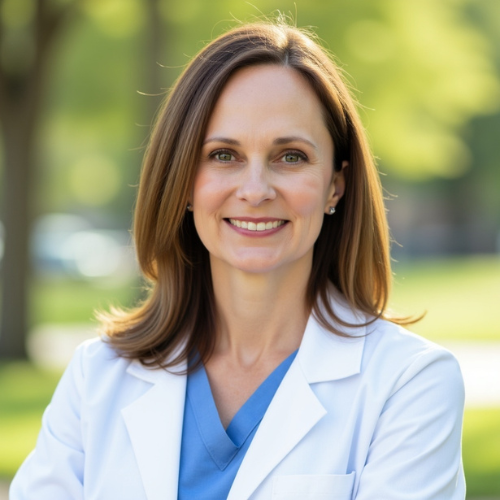
Seewee is physician-owned and operated by Dr. Amanda Turbeville Larson, a board-certified general surgeon and certified wound specialist with more than a decade of patient-care experience.
Her approach to aesthetics begins with skin biology, healing, realistic expectations, and understanding what you want to change.
So, sometimes the recommendation will be a laser treatment. Sometimes microneedling, a chemical peel, skincare, injectables, or consistent maintenance may be more appropriate.
That reflects Seewee’s broader philosophy of listening first, explaining the science, and making recommendations with a reason behind them.
Alma Laser Treatments Near Mount Pleasant and Charleston, SC
Seewee Medspa offers Alma laser, light, fractional plasma, and advanced skin-analysis technology in Awendaw, South Carolina, serving patients from Awendaw, Mount Pleasant, East Cooper, Charleston, and surrounding Lowcountry communities.
Your first step is an assessment.
We’ll look at what your skin is showing us, talk about what bothers you, and build a plan around the results you actually want.
Alma Laser Treatment FAQs
No. Alma IQ is an advanced skin imaging and analysis system. It helps your provider assess the skin and create a more personalized treatment strategy.
No. Opus uses fractional plasma technology. It is an energy-based resurfacing treatment that can be adjusted from lighter treatments to more intensive resurfacing depending on the patient and desired recovery.
The Harmony platform supports treatments for pigmentation, sun damage, vascular concerns, tone and texture, skin rejuvenation, acne and acne scars, and hair reduction, depending on the applicators and treatment configuration being used.
Laser and light-based treatments can improve many forms of sun-related pigmentation and brown spots. Your provider first needs to evaluate the type of pigmentation because different pigment concerns require different approaches.
Certain laser and IPL technologies can target visible blood vessels and redness. The appropriate treatment depends on the cause and pattern of the redness.
Fractional and non-ablative technologies can be used to stimulate collagen remodeling and improve certain acne scars and textural irregularities. Scar type and depth influence the treatment plan.
Treatment number varies widely. Some patients see visible changes after one treatment, while pigmentation, vascular concerns, hair removal, scars, and collagen-focused treatments commonly require a series.
We’ll give you an expected treatment range after evaluating your skin.
h2. Is there downtime after Alma laser treatment?
It depends on the treatment. Some laser, IPL, and hair-reduction procedures have little downtime. More intensive fractional resurfacing and Opus treatments can involve several days of visible recovery. Your plan can take your tolerance for downtime into account.
Recent tanning or sunburn can make certain laser treatments unsafe and increase the risk of burns or pigment changes. Tell your provider about recent sun exposure before treatment.
Follow your specific aftercare instructions and protect treated skin from excessive sun exposure. Daily broad-spectrum SPF 30 or higher is especially important after many laser and light treatments.
Laser treatments can produce long-term hair reduction. Most patients require multiple treatments because hair follicles are active at different stages of the growth cycle. Some hair may eventually regrow finer or lighter, and maintenance treatments may be needed.
Many modern laser technologies can treat a wide range of skin tones when the appropriate wavelength, settings, and treatment are selected. Skin tone is an important part of determining the safest approach because some skin types have a greater risk of pigment changes following laser treatment.
Seewee Medspa provides Alma laser and skin rejuvenation treatments in Awendaw, South Carolina, serving patients from Mount Pleasant, East Cooper, Charleston, and surrounding Lowcountry communities.
Start With Your Skin, Then Choose the Technology
You do not need to decide between IPL, resurfacing, plasma, or another laser treatment before you walk through the door. Show us your goals, we’ll help create a plan to get there.
If it’s the right direction, we’ll use Alma IQ to help understand your skin, explain what we see, and recommend the treatment that makes sense for your goals.
Seewee Medspa is honored to care for this community—and to create a space that reflects the people who call it home.
About
© 2026 Seewee Medspa. All Rights Reserved. Site proudly designed and maintained by Salt Marketing.